Air Jordan Kicks Compared: High-Top vs Low-Top Styles
Picking between high-top and low-top Air Jordan sneakers is one of the most common questions encountered by shoe collectors in 2026. Both constructions bear decades of basketball history and streetwear clout, yet they serve distinctly different purposes on and off the court. High-tops characterized Michael Jordan’s career, delivering the ankle stability that allowed him rule the NBA through six championship seasons. Low-tops, in contrast, developed into a fashion-oriented variant that favors unrestricted movement and warm-weather versatility. Grasping the actual differences between these two cuts can protect you from buyer’s regret and allow you to construct a more complete sneaker rotation. In this comparison, we explore on-court play, comfort, aesthetics, and pricing so you can form a informed decision on your following pair of Air Jordans.
The Origins Behind Both Silhouettes
When Peter Moore drew up the original Air Jordan 1 in 1985, the high-top build was the undisputed default for basketball sneakers. The elevated collar surrounded Michael Jordan’s ankle area and turned into an iconic aesthetic detail that Nike pushed forcefully during the “Banned” campaign. It was not until the Air Jordan 11 Low appeared in 1996 that Jordan Brand truly ventured into the low-top format for a flagship silhouette. That drop confirmed that sneakerheads would embrace a trimmed-down version of an fan-favorite shoe, opening the floodgates for low-profile editions of nearly every signature Jordan. By the mid-2000s, low-top Jordans had evolved into a seasonal go-to, frequently depleting alongside their high-top counterparts. As of now in 2026, Jordan Brand releases approximately comparable amounts of high-top and low-top colorways each season, indicating equal buyer interest across both cuts.
Ankle Stability and On-Court air jordans Performance
High-top Air Jordans rise 2 to 3 inches above the ankle joint, establishing a secure collar that limits sideways rolling during explosive cuts and jumps. Shoes like the Air Jordan 1 High and Air Jordan 12 incorporate cushioned collars combined with reinforced heel counters to secure the ankle and foot during game situations. According to a 2024 study published in the British Journal of Sports Medicine, high-top basketball shoes lowered the occurrence of sprained ankles by approximately 28 percent compared to low-cut alternatives in non-professional ballers. Low-top Jordans, such as the Jordan 1 Low and Jordan 11 Low, forgo some of that stability in return for less mass — typically cutting 50 to 80 grams per shoe. For weekend warriors who hoop casual games once or twice a week, that lighter build means quicker first steps and less fatigue over extended sessions. The compromise is genuine, though: if you have a past ankle problems, a high-top model with proper lacing is still the more secure pick for any court action.
Comfort for All-Day Wear
Away from the hardwood, comfort priorities transform entirely, and low-top Air Jordans frequently take the lead. The shorter collar height removes the irritation that high-cut Jordans can cause against the Achilles tendon during long walks. Many wearers report that low-cut models feel comfortable after just two or three outings, while high-top models may require five to seven sessions before the ankle padding fully molds. Sole technology stays the same across both cuts — the Air Jordan 1 features the same Air sole unit no matter the height, and the Jordan 11 retains its full-length Air unit in both versions. Heat is another practical element: low-top versions enable much better ventilation around the ankle area, making them the ideal choice for hot weather when foot temperature is an concern. For the cooler seasons or full days of wear, the heat retention delivered by a high-top collar can genuinely benefit you, keeping warmth held around the joint.
Aesthetic Impact and Wardrobe Versatility
From a style point of view, high-top Air Jordans grab notice and serve as a focal point in any look. The Air Jordan 1 High, in editions like Chicago, Bred, and Royal, regularly ranks among the most shot sneakers on social media, producing millions of tagged posts on Instagram alone. High-tops complement skinny or tapered jeans, joggers, and casual shorts that allow the full design to be on display — hiding a high-top under loose jeans defeats its visual purpose. Low-cut Jordans, on the other hand, deliver a sleeker silhouette that blends smoothly with a larger selection of fits, encompassing straight-cut jeans, khakis, and even semi-formal pants. Fashion-forward sneaker enthusiasts in 2026 often use low-cut models as a crossover shoe that connects streetwear and office-appropriate looks. The styling flexibility gives low-cut models a slight edge for sneakerheads who are looking for a lone pair to handle multiple dress codes throughout the week.
Color and Material Considerations
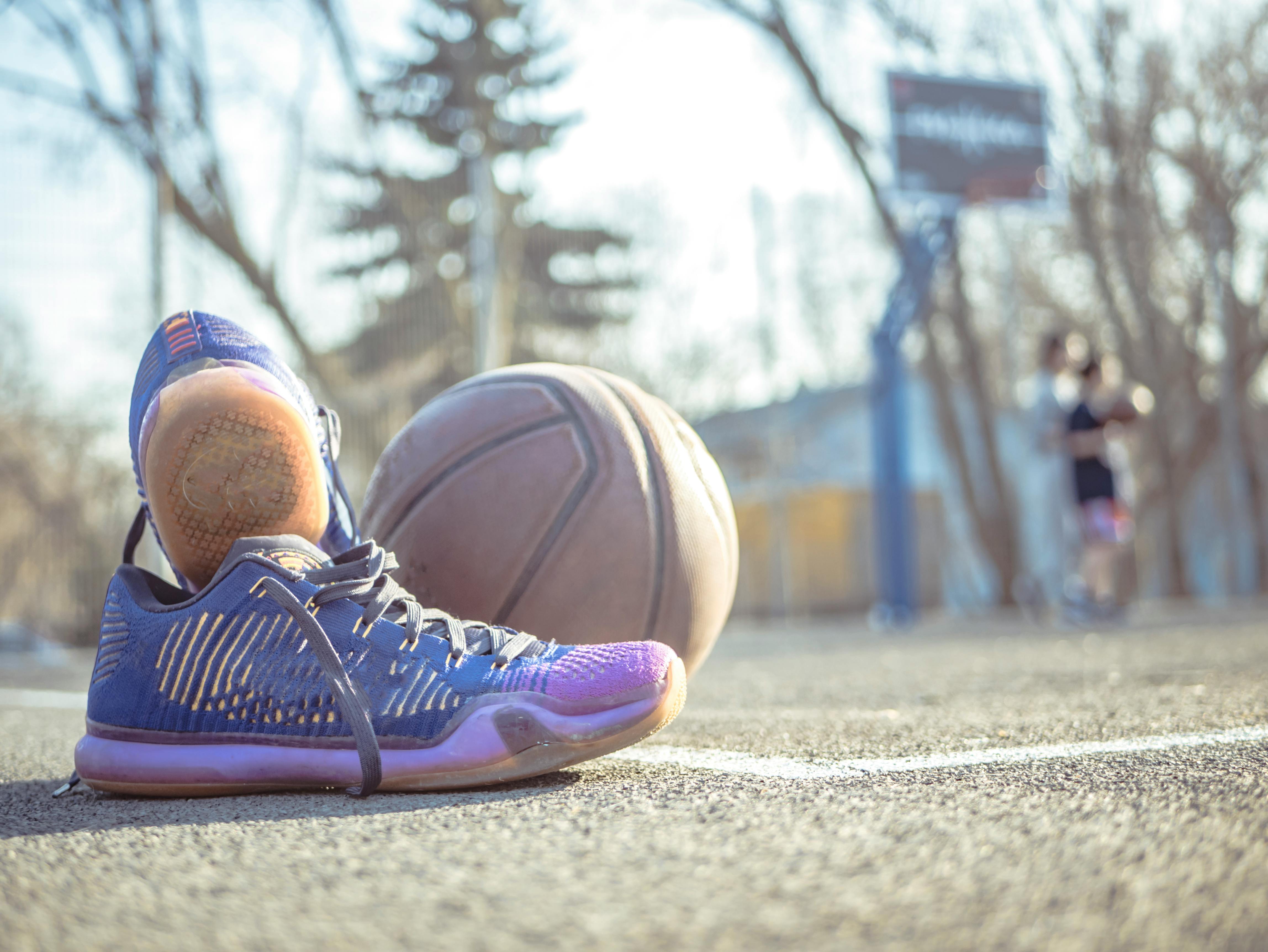
High-top Air Jordans generally feature more panel space, which lets creatives to add multiple color blocks and contrasting materials across the shoe’s upper. This added canvas is why iconic editions like the Jordan 1 High “Union LA” and “Travis Scott” collaborations seem so visually striking — there is literally more canvas to utilize. Jordan Lows reduce that same design approach into a more compact canvas, which can either seem sleeker or feel visually cramped depending on the color combination. Leather, nubuck, suede, and patent leather all show up across both constructions, though luxury fabrics tend to show up more regularly in high-cut exclusive releases. In terms of wear resistance, the added construction on a high-top means somewhat greater shielding against marks around the ankle region. Buyers prioritizing protecting their Jordans pristine for years regularly prefer high-cut models for this pragmatic factor alone.
High-Top vs Low-Top: Complete Face-Off
| Attribute | High-Top Air Jordans | Low-Top Air Jordans |
|---|---|---|
| Ankle Stability | Superior — extends past the ankle | Low — rests under the ankle bone |
| Typical Weight | 400–500 g per shoe | 340–420 g per shoe |
| Ideal Season | Fall / Winter | Spring / Summer |
| Outfit Compatibility | Streetwear, athletic | Street, casual, business-casual |
| Break-In Period | 5–7 wears | 2–3 wears |
| Resale Premium | Generally higher | Moderate |
| Ventilation | Moderate | Good |
| Typical Retail Price | $170–$200 | $130–$170 |
Secondary Market Pricing and Collector Appeal
In the resale market, high-top Air Jordans have consistently earned greater price increases than their low-cut equivalents. Pricing data from StockX shows that the Air Jordan 1 High OG maintains a 40 to 60 percent increase over MSRP in in-demand editions, while the Jordan 1 Low OG typically sees a 15 to 30 percent premium. Ultra-limited high-tops, especially those connected with collaborations with creatives like Virgil Abloh or Travis Scott, have achieved secondary market prices above $2,000 in mint condition. Jordan Lows are increasingly narrow the difference, however, as Jordan Brand doubles down in premium low-profile releases geared toward fashion-focused buyers. The Travis Scott x Air Jordan 1 Low Reverse Mocha, for instance, fetched significantly above $1,500 on resale platforms throughout 2023 and 2024. For sneakerheads interested in long-term investment, high-tops remain the more reliable choice, but the low-cut segment is maturing rapidly and shouldn’t be ignored.
Which Should You Buy?
Your pick in the end comes down to how and where you intend to use your Air Jordans. If basketball performance is a priority — even recreationally — the protective features of a high-top are undeniable, and the extra ankle support can prevent sprains that would keep you out for weeks. For everyday wear across different environments, a low-top Air Jordan offers unrivaled flexibility, a lighter build, and an quicker break-in experience that fits right into a busy lifestyle. Price-sensitive consumers will also enjoy that Jordan Lows generally retail for $20 to $40 less than their high-top counterparts, making the most of your footwear budget further. If possible, a balanced lineup contains at least one of each: a high-top for statement dressing and cooler weather, and a low-top for laid-back spring and summer styling. Take stock of your current wardrobe, consider your lifestyle, and factor in your local climate before committing. Whichever cut you pick, you are buying into a design supported by over 40 years of creative engineering from Jordan Brand.
Final Verdict
The high-top versus low-top discussion has no definitive answer because both constructions shine in different situations. High-top Air Jordans bring top-tier ankle stability, more impressive resale markups, and a more dramatic style statement that commands street style photos and sneaker conventions. Low-top Air Jordans counter with a lighter build, quicker adjustment times, broader styling range, and a more budget-friendly price point for first-time buyers. In 2026, Jordan Brand continues to advance across both styles, debuting new cushioning technology and recycled materials that upgrade both options year over year. The wisest method is to consider each pair on its unique qualities rather than enforcing a rigid preference for one cut over the other. Whether you lace up highs for a weekend convention or throw on lows for a backyard BBQ, the Jumpman logo on your foot carries the same storied meaning.
Leave a Reply